Results: The Ratepayer Protection Pledge

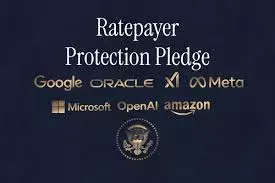
President Trump introduced and signed the Ratepayer Protection Pledge in March 2026. A brief summary of what it is in case you don't know is: The pledge is designed to insulate American households and small businesses from rising electricity costs driven by the massive surge in data center construction and artificial intelligence (AI) development. Under the agreement, major technology companies commit to taking full financial responsibility for the massive energy and grid requirements of their operations, rather than shifting those costs onto everyday utility customers (ratepayers). Sources are ConstructConnect News, The White House, American Legislative Exchange
1.
1.
Seven of the nation's leading technology hyperscalers and AI developers signed the pledge as initial participants: Amazon Web Services (AWS), Google, Meta, Microsoft, OpenAI, Oracle, and xAI .Keep in mind there is no law about this yet. The companies just pledge to do it. Do you think they will totally comply?
Yes
8%
•
122 votes
No
37%
•
587 votes
Undecided
28%
•
454 votes
Not Applicable
27%
•
437 votes
2.
2.
Do you think a law should be passed that would make them comply?
Yes
44%
•
701 votes
No
8%
•
127 votes
Undecided
20%
•
317 votes
Not Applicable
28%
•
455 votes
3.
3.
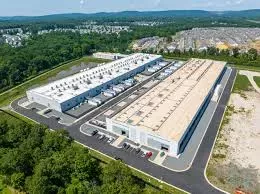
Purpose and ImpactThe "Why": The administration framed the pledge as a necessary measure to ensure that America can lead the global race in AI infrastructure without forcing ordinary families to foot the bill for private corporate energy consumption. Regulatory Context: Because utility companies traditionally socialize infrastructure expansion costs across their entire customer base, the pledge aims to change how public utility commissions allocate expenses. Some federal lawmakers have already proposed frameworks to codify the pledge's principles into national AI legislation. Do you think that Donald Trump has actually started something good by doing this?
Yes
18%
•
295 votes
No
21%
•
332 votes
Undecided
30%
•
476 votes
Not Applicable
31%
•
497 votes
4.
4.
Reception and Reception Support: Proponents, including some state legislators and consumer advocates, view the pledge as a crucial first step toward holding data centers accountable and forcing massive power users to "pay full freight" when entering a community. Criticism: Policy experts and critics point out that the pledge is currently voluntary, meaning it lacks strict enforcement mechanisms unless codified into law. Others note that because the broader electrical grid faces structural supply constraints and antiquated regulatory hurdles, the pledge alone may not entirely stop utility bills from rising due to preexisting economic factors.Are you for or against data centers?

I'm all for them
9%
•
145 votes
I'm against them
28%
•
447 votes
I'm undecided as yet
31%
•
498 votes
Not Applicable
32%
•
510 votes
5.
5.
After reading a little further about this subject, I have found evidence that just maybe it is the states that have the power to pass laws about utilities passing costs on to consumers. It is possibly not a right of Congress to do so. It just may be unconstitiutional for Congress to pass this into law instead of letting each state make their own laws concerning how much the data centers must pay of all the related expenses. Do you think this is another attempt by President Trump to ignore the Constitution? Yes
35%
•
552 votes
No
13%
•
210 votes
Undecided
19%
•
296 votes
Not Applicable
34%
•
542 votes

Comments