Results: *** Amazing Innovations in Medical Research ***

Here are 3 fascinating discoveries Scientific American reported on in 2025 that changed our understanding of health and the human body and led to treatments of age-old diseases—underscoring how important this research is.
1.
1.
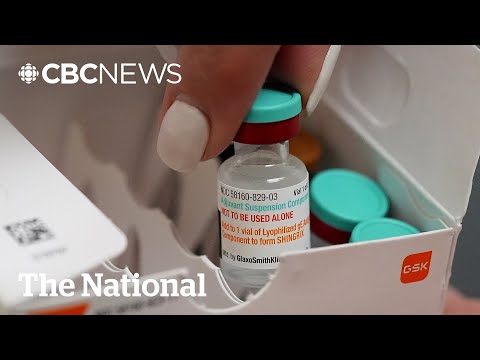
A Vaccine May Prevent Alzheimer's A landmark real-world experiment gave the strongest evidence yet that the shingles vaccine could lower the risk of Alzheimer's disease and other forms of dementia, finally giving concrete data to support a longtime hunch that viruses may somewhat increase dementia risk. People in Wales who received the shingles shot were 20 percent less likely to develop dementia over the next seven years compared with those who did not get it. Would you get vaccinated to prevent Alzheimer's disease?
Yes
51%
•
820 votes
No
12%
•
186 votes
Undecided
25%
•
394 votes
Not Applicable
13%
•
200 votes
2.
2.
Male Birth Control Pill? Male contraception options are limited to condoms and vasectomies, but a male birth control pill is inching closer to reality. The daily nonhormonal oral contraceptive is the first of its kind to pass early-phase safety trials in humans. The pill works by blocking a vitamin A metabolite from binding to receptors in the testes, ultimately stopping the sperm-making process. The effects are reversible when people stop taking the medication. The pill must undergo larger human trials and efficacy studies before it can be approved, however. Would you use this New Birth Control Pill?
Yes
11%
•
173 votes
No
18%
•
292 votes
Undecided
11%
•
173 votes
Not Applicable
60%
•
962 votes
3.
3.
Coffee in the Gut The largest study ever on coffee and the gut microbiome revealed that regular coffee drinkers may have more of a "good" gut bacterium, Lawsonibacter asaccharolyticus. The little known microbe produces butyrate, a metabolite that aids in proper digestion and nutrient absorption. Scientists hope future investigations can confirm gut bacteria's role in mediating coffee's health benefits. Are you a Coffee Drinker?
Yes
55%
•
879 votes
No
26%
•
413 votes
Undecided
8%
•
121 votes
Not Applicable
12%
•
187 votes

Comments