Results: 6 Things From 1950's Medicine Cabinets - Part 1 of 3

In the mid-20th century, many homes had medicine cabinets filled with basic supplies like thermometers and bandages. However, they also contained outdated remedies based on medical beliefs of the time, where the dangers of heavy metals and chemicals were not well known. Here are six items people often had in their 1950's medicine cabinets that are rarely seen today. History Facts is my source for this series.
1.
1.
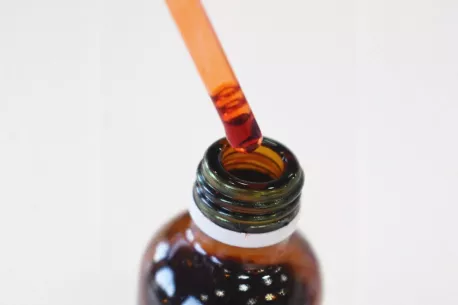
Mercurochrome. In the 1950's, many families used bright red products like Mercurochrome and Merthiolate for treating cuts and scrapes. These liquids, stored in glass bottles, were applied to wounds with a glass dobber to aid healing. Mercurochrome was created in the early 20th century and contained mercury compounds to prevent infection. However, the risks of mercury poisoning became clear over time. By 1998, the U. S. Food and Drug Administration withdrew approval for Mercurochrome, leading to its removal from the market. Did you ever have Mercurochrome used on any scrapes as a child?
Yes
53%
•
840 votes
No
24%
•
376 votes
Undecided
10%
•
153 votes
Not Applicable
14%
•
231 votes
2.
2.
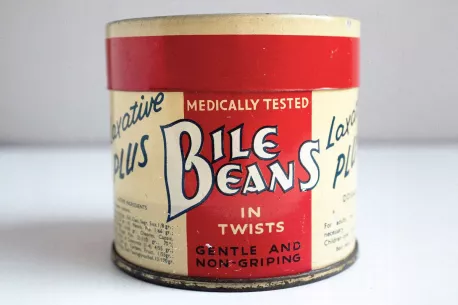
Bile Beans. Digestive issues were thought to cause many problems in midcentury America, leading to various treatments focused on digestion. Bile Beans, a liver-targeted product, was marketed to homemakers to help them stay "fit, bright, and attractive" by improving digestion and relieving constipation. Most liver pills of that time were laxatives made from herbs. Despite facing fraud claims around 1904, Bile Beans were sold until the 1980's. Had you ever heard of Bile Beans before this survey?
Yes
5%
•
84 votes
No
76%
•
1220 votes
Undecided
5%
•
77 votes
Not Applicable
14%
•
219 votes
Comments