Results: 6 Things From 1950's Medicine Cabinets - Part 2 of 3

In the mid-20th century, many homes had medicine cabinets filled with basic supplies like thermometers and bandages. However, they also contained outdated remedies based on medical beliefs of the time, where the dangers of heavy metals and chemicals were not well known. Here are six items people often had in their 1950's medicine cabinets that are rarely seen today. History Facts is my source for this series.

1.
1.
Paregoric. In the past, many everyday foods and remedies contained narcotics. For example, early Coca-Cola had cocaine, and cough syrups often included morphine. Paregoric, a tincture with opium, was commonly found in medicine cabinets during the 1950's. It was used for stomach problems and given to babies for coughs and teething pain. Until 1970, paregoric was sold without a prescription but became regulated to prevent misuse. Thanks to the addition of anise oil, it had a distinctive flavor not unlike licorice. Do you enjoy licorice flavored foods or drinks?
Yes
28%
•
443 votes
No
46%
•
728 votes
Undecided
12%
•
198 votes
Not Applicable
14%
•
231 votes
2.
2.
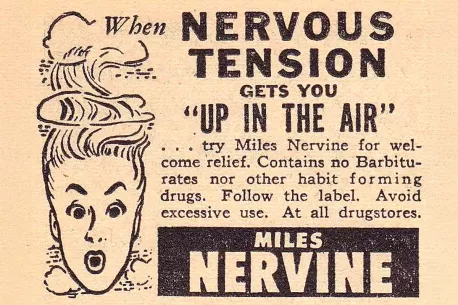
Dr. Miles' Nervine. Tonics were common in midcentury medicine cabinets, with Dr. Miles' Nervine being very popular. By the 1950's, however, it had shifted away from earlier claims of treating hysteria or epilepsy and instead it claimed to relieve sleeplessness, restlessness, tension headaches, and irritability. Its active bromide compounds affected the nervous system but could accumulate and become toxic, causing issues like hallucinations and rashes. By 1975, bromide salts were banned from over-the-counter products. Do you take any OTC medications to help with nerve related issues?
Yes
12%
•
188 votes
No
65%
•
1045 votes
Undecided
6%
•
96 votes
Not Applicable
17%
•
271 votes
Comments