Results: Amazing Innovations in Medical Research

Recent amazing medical innovationsin micro-bubble drug delivery, Alzheimer’s Blood Tests, Ingestible Electroceutical Pills and robotic telesurgery.
1.
1.
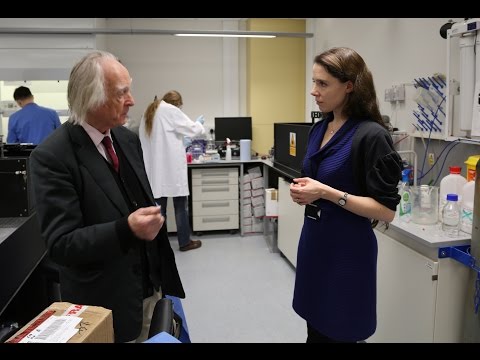
Prof Eleanor Stride uses microscopic bubbles to deliver drugs and medicines to specific parts of the body. As the bubbles spread throughout the bloodstream, targeted ultrasound is used to burst them and release them at the exact point required. Interviewed by fellow University of Oxford academic Prof Denis Noble in her office at the Institute of Biomedical Engineering, Prof Stride explains the process which is about to start clinical trials and may one day be a commonplace method of targeted drug delivery. Targeted Bubble Drug Delivery: Biomedical engineers developed gas-filled micro-bubbles that travel through the bloodstream and are popped by focused ultrasound to release medications directly into specific tissues like tumors. Were you aware of this new innovation?
Yes
10%
•
97 votes
No
66%
•
651 votes
Undecided
6%
•
63 votes
Not Applicable
17%
•
169 votes
2.
2.
Robotic Telesurgery: A surgeon in London says he has performed the UK's first long‑distance robotic operation on a patient located 1,500 miles (2,400km) away in Gibraltar. Leading robotic urological surgeon Professor Prokar Dasgupta said it felt "almost as if I was there" as he carried out a prostate removal on Paul Buxton. The cancer patient, 62, said it had been a "no-brainer" to take part and become "part of medical history". It is hoped that remote robotic surgery could spare future patients the "vast expense and inconvenience" of travelling for treatment, and help deliver better healthcare to people in more remote locations. UK surgeons have taken part in major telesurgery breakthroughs, including a 4,000‑mile transatlantic robotic stroke procedure on a cadaver - a body of someone who has donated themselves to science - proving long‑distance surgery was technically possible. Were you aware of this Robotic Surgery?
Yes
23%
•
222 votes
No
51%
•
499 votes
Undecided
9%
•
86 votes
Not Applicable
18%
•
173 votes
3.
3.
Alzheimer's Blood Tests: Scientists say a simple blood test may revolutionise the diagnosis and treatment of Alzheimer's disease. A study has found that measuring the levels of a protein in the blood can identify people at risk of developing symptoms of the disease including memory loss and confusion, years before they occur. It's hoped that will lead to screening of people in their 50s, allowing early detection and treatment. Two recently developed medicines have been shown to significantly delay progress of the disease, so early identification of people at risk could offer people huge benefits. Alzheimer's and other forms of dementia affect many millions of people around the world and ageing populations mean they are on the increase. Simple blood tests were cleared to detect essential Alzheimer's biomarkers, making early and accurate diagnosis much more accessible compared to traditional invasive scans. Were you aware of this New Alzheimer's Blood Tests?
Yes
19%
•
186 votes
No
54%
•
526 votes
Undecided
10%
•
97 votes
Not Applicable
17%
•
171 votes
4.
4.
A team of Australian researchers is now testing an electronic pill that detects certain gases in real-time as it travels through the body. This sensor is the latest ingestible device vying for a place on the market and on gastroenterologists' roster of diagnostic tools. Swallowable smart capsules equipped with tiny electrodes temporarily stimulate the lining of the gut to help regulate hormones and target metabolic health. Were you aware of these new smart tabs?
Yes
11%
•
105 votes
No
64%
•
629 votes
Undecided
7%
•
73 votes
Not Applicable
18%
•
173 votes

Comments