Results: Innovative Break throughs in Optogenetic Medical Research Win the Nobel Prize

The 2026 Nobel Prize in Physiology or Medicine has been awarded to Karl Deisseroth, Peter Hegemann, and Georg Nagel for their groundbreaking discoveries concerning light-gated ion channels and the development of optogenetics
1.
1.
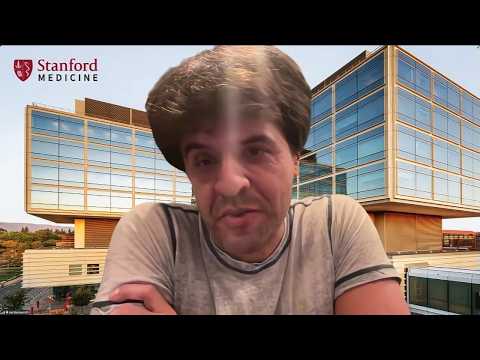
Stanford Professor Karl Deisseroth was awarded the 2026 Nobel Prize in Physiology or Medicine for pioneering work in optogenetics that helped give scientists an unprecedented way to control and study nerve cells using light, including neural circuits relevant to neurological and psychiatric disorders. Were you aware of this new therapy with light?
Yes
10%
•
110 votes
No
66%
•
708 votes
Undecided
6%
•
64 votes
Not Applicable
18%
•
197 votes
2.
2.
Optogenetics may allow us to use light like a remote control for our brains, and treat diseases like retinitis pigmentosa. Using Light to Control Your Brain. Were you aware this research has been going on for so many years?
Yes
7%
•
71 votes
No
67%
•
724 votes
Undecided
6%
•
70 votes
Not Applicable
20%
•
214 votes
3.
3.
MIT Associate Professor of Biological Engineering and Brain and Cognitive Sciences Ed Boyden explains optogenetics and how it is used in neurological research. Are you excited about this break through?
Yes
40%
•
433 votes
No
13%
•
139 votes
Undecided
24%
•
254 votes
Not Applicable
23%
•
253 votes
4.
4.
This year the prize went to three scientists for their work investigating the mysteries of the brain. Karl Deisseroth of the Howard Hughes Medical Institute and Stanford University, Peter Hegemann of the Humboldt University of Berlin and Georg Nagel of the University of Würzburg have been awarded the prize "for their discoveries concerning light-gated ion channels and optogenetics". Science correspondent Nicola Davis tells Madeleine Finlay how this technique is already transforming neuroscience and how it could one day help restore sight, remove pain and tackle diseases like addiction and Alzheimer's. Do these amazing innovations give you more hope?
Yes
51%
•
545 votes
No
12%
•
125 votes
Undecided
17%
•
180 votes
Not Applicable
21%
•
229 votes
Comments