Results: Dangerous Situations -- 15

Here are more dangerous situations you hopefully won't find yourself in:

1.
1.
Asthma Attack Without Inhaler: Sit upright, lean slightly forward, take slow deep breaths, drink warm caffeinated beverage. Seek medical care. I have asthma, do you?
Yes
13%
•
114 votes
No
69%
•
624 votes
Not Applicable
19%
•
168 votes
2.
2.
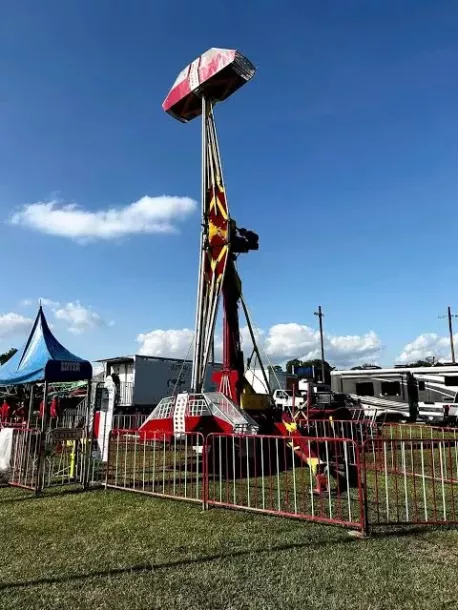
Ferris Wheel Breakdown (Suspended): Stay seated inside car; do not rock or try climbing down support structure. I have a phobia of fair rides. My best friend in grade school rode a ride called a bullet with her sister. (The ride in the photo) The part they were riding in flew off into the air and she died from a broken neck. Her sister was in the ICU for a long time. Do you ride fair rides that go up into the air?
Yes
19%
•
170 votes
No
59%
•
531 votes
Not Applicable
23%
•
205 votes
3.
3.
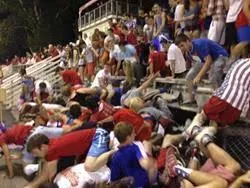
Stadium Bleacher Structural Failure: Drop beneath support beams if clear, or spread body over floor joists. I fell off the bleachers at my school in 8th grade and broke my ankle. That put an end to my dancing lessons I had been taking for years, so I joined 4-H club. Have you ever fallen off bleachers?
Yes
6%
•
52 votes
No
94%
•
854 votes
4.
4.
Nightclub Fire Hazard: Look for secondary service or kitchen exits; avoid main front entrance bottleneck. I have never been in a nightclub when it caught fire, but I have been in one when a giant bar fight broke out. I was with a friend and all of a sudden, people started throwing chairs and beer bottles, beating each other up, yelling, etc. My friend and I went to the back where there were several empty tables and ducked beneath tables. We snuck out the side exit as soon as it was possible. Have you ever been in a nightclub when it caught fire or a bar when a fight broke out?

Yes
10%
•
87 votes
No
69%
•
624 votes
Not Applicable
22%
•
195 votes
5.
5.
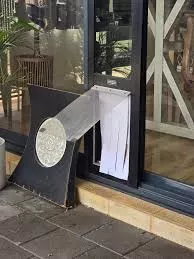
Cat-Flap/Pet-Door Draught Inversion: Unsealed pet doors alter household pressure balances, pulling hazardous combustion gases down chimneys. Permanent Remediation Steps-- -1. Seal and Upgrade the Pet Door: Eliminate major building envelope leaks. Replace basic flap doors with double-flap magnetic units or airtight microchip-activated pet doors that feature full perimeter brush seals. Ensure the frame surrounding the door cutout is completely sealed with exterior-grade caulk 2. Isolate Combustion Appliances: Decouple indoor air pressure from flues. Provide dedicated outdoor air intake ducts directly to your furnace, boiler, or fireplace insert. Sealed-combustion appliances pull air directly from outside, making them immune to internal house pressure imbalances. 3.Perform a Draft & Spillage Test-- Verify proper flue ventilation under load. Hire a certified HVAC technician or building analyst to perform a Zone Pressure Diagnostic (ZPD) and worst-case depressurization test. This confirms that all flues draft correctly even when exhaust fans and pet doors create draft conditions. Do you have a pet door?
Yes
6%
•
56 votes
No
71%
•
640 votes
Not Applicable
23%
•
210 votes
6.
6.
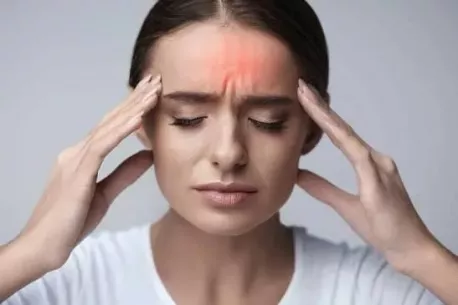
Rapid barometric drops ahead of storm fronts alter pressure gradients between the middle ear, sinuses, and external environment. In sensitive individuals, this triggers vestibulocochlear dysfunction, severe migraine onset, or reflex syncope (fainting) due to autonomic vascular shifts. Immediate Response During an Attack---Lie Down Immediately: At the first sign of lightheadedness, vertigo, or visual changes, lie flat with your legs elevated above heart level. This uses gravity to restore cerebral blood flow and prevents injury from falls. Equalize Eustachian Pressure: Perform gentle equalization techniques—such as swallowing, yawning, or the Valsalva maneuver (exhaling gently with pinched nostrils)—to relieve middle-ear pressure differential. Hydrate with Electrolytes: Drink water paired with sodium/electrolyte fluids to expand plasma volume, which helps stabilize blood pressure against barometric vasodilation. Minimize Sensory Stimulation: Move to a cool, dark, quiet room to reduce neurological overload during migraine onset. Preventative Strategies & Tracking1.Track Barometric Trends: Identify personal pressure thresholds. Use weather tracking apps that alert you to rapid pressure drops (drops greater than 6–8 hPa over 12 hours). Knowing when a front is arriving allows you to initiate preventative measures hours in advance. 2.Use Pressure-Equalizing Earplugs: Stabilize inner ear pressure pre-front. Insert specialized pressure-regulating earplugs (such as those designed for aviation or weather sensitivity) when a severe pressure drop is forecasted. These feature micro-filters that slow down the rate of pressure change reaching the eardrum. 3.Consult a Specialist for Prophylaxis: Proactive medical management. Work with a neurologist or ENT specialist to evaluate for vestibular migraine or dysautonomia. Medical professionals may recommend short-term preventative triptans/beta-blockers, vestibular rehabilitation therapy, or specific autonomic stabilization protocols. Do you ever notice the pressure drop in your ears when it suddenly drops? I do. I also get migraines.
Yes
28%
•
257 votes
No
48%
•
436 votes
Not Applicable
24%
•
213 votes

Comments