Results: Exotic Black Sand Beaches
Black sand beaches are among the planet's most captivating coastal landscapes, created when volcanic lava cools and fragments into fine, dark grains along the shoreline. These dramatic shores combine rugged geology with turquoise waters and lush surroundings, offering paradise for photographers, adventurers, and curious travelers alike. Unearth The Voyage is the source for this quick three-part survey series.
1.
1.
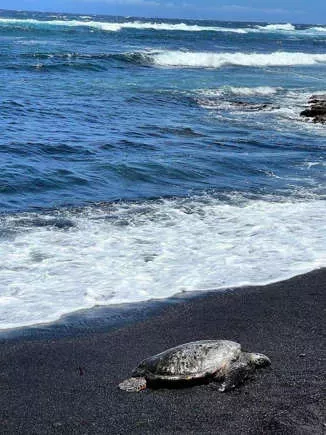
Sea turtles sunbathing on jet-black sand sounds like a scene from a nature documentary, but at Punaluʻu Beach on Hawaii's Big Island, it's just a regular Tuesday. This legendary stretch of volcanic shoreline is one of the most photographed beaches in the Pacific, and honestly, it earns every single click. Endangered Hawaiian green and hawksbill sea turtles, called honu locally, regularly haul themselves onto shore to warm up in the sun. Getting too close to them is illegal, but watching from a respectful distance is an experience you won't forget anytime soon. Would you like to see honu on this black sand beach?
Yes
56%
•
978 votes
No
21%
•
356 votes
Undecided
23%
•
402 votes
2.
2.
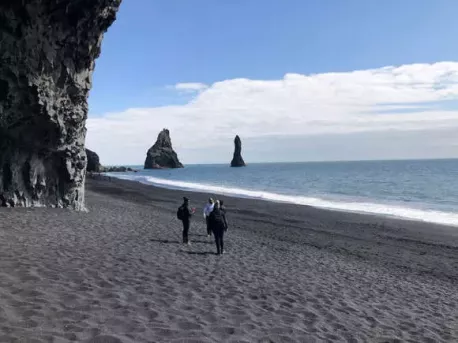
Standing at Reynisfjara Beach feels like stepping onto the set of an epic fantasy film, and that's not a coincidence — several actually were filmed here. Located near the tiny village of Vík í Mýrdal in southern Iceland, this beach delivers a jaw-dropping mix of black sand, towering basalt columns, and ferocious Atlantic waves that crash with almost theatrical drama. The iconic Reynisdrangar sea stacks, jagged volcanic spires rising from the sea, are said in Icelandic folklore to be trolls caught by daylight and turned to stone. Whether or not you believe the legend, they make for extraordinary photography at any hour. Were you familiar with this black sand beach before today's survey?
Yes
16%
•
278 votes
No
69%
•
1202 votes
Undecided
15%
•
256 votes
3.
3.
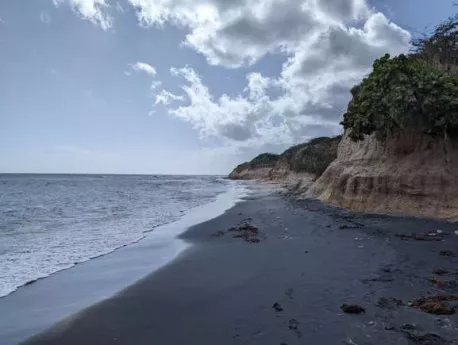
Forget the crowded resort strips — Vieques has something far more intriguing tucked along its rugged coastline. Playa Negra is one of those rare Caribbean beaches where the sand breaks every expectation, trading the typical white powder for a striking volcanic darkness that stops visitors mid-step the moment they arrive. The beach sits on the eastern side of Vieques, an island off Puerto Rico's eastern coast that was once a U.S. Navy base and is now part of a federally protected wildlife refuge. That history has kept much of the island beautifully undeveloped, giving Playa Negra a raw, untouched quality that feels genuinely rare in the Caribbean. The contrast between the dark sand and the vivid turquoise water overhead is visually stunning and endlessly photogenic. If you were visiting Puerto Rico and it wasn't hurricane season, would you like to visit Playa Negra?
Yes
46%
•
800 votes
No
28%
•
483 votes
Undecided
26%
•
453 votes
4.
4.
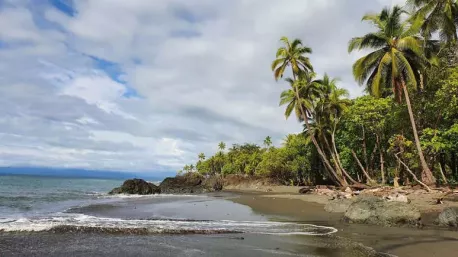
Surfers talk about Playa Cavones in hushed, reverent tones. Tucked along Costa Rica's remote Pacific coast near the boundary of Corcovado National Park, this wild black sand beach is not for the faint of heart — and that is precisely what makes it so thrilling. The volcanic sand here is genuinely dark and coarse, shaped by centuries of Pacific wave action and lava geology unique to this stretch of coastline. The waves at Playa Cavones are powerful and consistent, drawing experienced surfers who make the long journey into the Osa Peninsula specifically for this break. Beginners should admire the surf from shore, as the ocean here demands skill and respect in equal measure. Beyond the beach itself, the surrounding jungle is teeming with wildlife. Scarlet macaws, tapirs, howler monkeys, and even jaguars have been spotted in the forests flanking the shoreline. Playa Cavones is the kind of place that reminds you how breathtakingly wild and untamed the natural world can still be when left alone. Have you ever heard of this wild, black sand beach?
Yes
12%
•
213 votes
No
72%
•
1255 votes
Undecided
15%
•
268 votes
Comments