Results: World Heritage Sites in Canada, part four

There are 22 World Heritage Sites in Canada, with a further 10 on the tentative list. Wikipedia
1.
1.
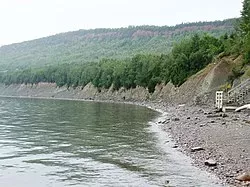
Miguasha National Park in Quebec encompasses parts of the Escuminac Formation, a geological formation dating to the Devonian period 370 million years ago. It is an exceptional paleontologist site, yielding large numbers of exceptionally well-preserved fossils of fish, in particular the lobe-finned fish that later gave rise to the tetrapods. Invertebrate and plant fossils have been found at the site as well. Before today's survey, were you familiar with this World Heritage Site?
Yes
8%
•
91 votes
No
77%
•
933 votes
Undecided
15%
•
182 votes
2.
2.
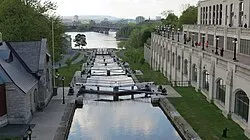
Rideau Canal, in Quebec, is the oldest continuously operated canal system in North America, with much of its original structure intact. It connects Ottawa, on the Ottawa River, to Kingston, on Lake Ontario. It opened in 1832 as a precaution in case of war with the United States, allowing the transit of steam-powered ships. The site includes several defensive works in Kingston. The Ottawa Locks at Colonel By Valley are pictured. Have you ever been to the Rideau Canal?
Yes
17%
•
202 votes
No
69%
•
829 votes
Undecided
15%
•
175 votes
3.
3.
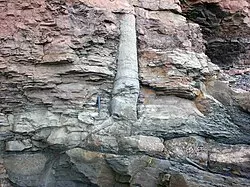
Joggins Fossil Cliffs, is in Nova Scotia. The site at Joggins has produced one of the best fossil records from the Carboniferous period, in particular from 318 to 303 million years ago. During that time, the area was covered by rainforests, the remains of which are the main sources of today's coal. In addition to plant fossils (a lycopsid pictured), the remains of the earliest amniotes illustrate the evolution of terrestrial vertebrates. Are you interested in visiting fossil archeological sites?
Yes
33%
•
398 votes
No
41%
•
490 votes
Undecided
26%
•
318 votes
4.
4.
Landscape of Grand Pré, in Nova Scotia, is the last Canadian World Heritage Site we will explore in this survey. The cultural landscape was shaped by the Acadians, descendants of the French settlers, in the 17th and 18th centuries. Using dyke-building techniques called aboiteau, the farmers reclaimed salt marshes from the tidal areas and repurposed them for agricultural use. The water management system remains in use in the present day. The site is also inscribed as a memorial to the Acadian way of life and their deportation, which started in 1755, known as the Grand Dérangement. Have you ever been to Grand Pré?

Yes
8%
•
95 votes
No
78%
•
938 votes
Undecided
14%
•
173 votes
Comments