Results: World Heritage Sites in Canada, part seven

There are 22 World Heritage Sites in Canada, with a further 10 on the tentative list. The last 3 surveys in this series will cover the 10 tentative Canadian sites.
Wikipedia
1.
1.
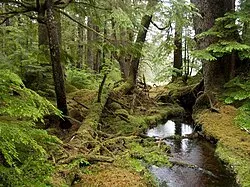
Gwaii Haanas, in British Columbia, comprises parts of the Haida Gwaii archipelago. It includes the SG̱ang Gwaay World Heritage Site, two other Haida villages, and natural areas. The islands are covered by old-growth temperate rainforest (example pictured) and surrounded by the sea which is home to porpoise, orca, and sea lion. The islands are also an important stopover for migratory birds. Would you visit Gwaii Haanas to see the magnificent orcas swimming in the wild?
Yes
40%
•
438 votes
No
34%
•
370 votes
Undecided
26%
•
291 votes
2.
2.
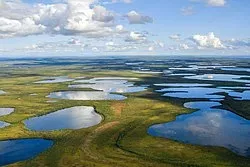
Ivvavik / Vuntut / Herschel Island, Yukon, comprises two national parks (Vuntut pictured) and an arctic island that are rich in wildlife. They are home to three species of bear, Dall sheep, moose, and large herds of caribou. This is the home of the Inuvialuit and Vuntut people. As the area was not glaciated during the Last Glacial Maximum, it formed a part of the Beringia land bridge, with numerous archaeological assemblies testifying the settlement of the Americas. Were you familiar with this tentative site before this survey?
Yes
10%
•
108 votes
No
75%
•
824 votes
Undecided
15%
•
167 votes
3.
3.
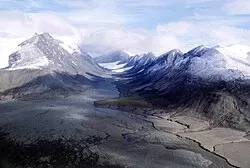
Quttinirpaaq, Nunavut, comprises the northernmost part of Canada. The park includes mountains, glaciers, ice shelves, and fjords. The polar desert supports populations of muskox, arctic hare, wolf, and Peary caribou. As demonstrated by the archaeological sites, the area has been occupied by different cultures for over four millennia, including the pre-Dorset, Dorset and Thule people. Would you go here in the summer to visit?
Yes
29%
•
318 votes
No
40%
•
437 votes
Undecided
31%
•
344 votes
4.
4.
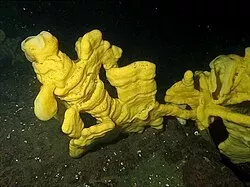
Hecate Strait and Queen Charlotte Sound Glass Sponge Reefs Marine Protected Area are located in British Columbia. Sponge reefs were common in the Jurassic and Cretaceous periods but are now rare. The reefs in Hecate Strait and Queen Charlotte Sound are considered to be the world's largest living reefs of that type. The sponge colonies are estimated to be 9,000 years old. The reefs provide shelter to juvenile fish on otherwise featureless seabed. A cloud sponge is pictured. Have you ever met a sponge diver?
Yes
7%
•
81 votes
No
78%
•
856 votes
Undecided
15%
•
162 votes
Comments