Results: 21 Of The Most Destructive Invasive Insects In America - Part 3 of 10

An invasive insect is a non-native species that spreads and causes or is likely to cause harm to the environment, economy, or human health. They are a problem because they often arrive without their natural predators or diseases, allowing their populations to grow rapidly and outcompete native species, which disrupts local ecosystems. Examples include the emerald ash borer, soybean aphid, and spotted lanternfly. There is only one question for this series. "Have you ever seen this invasive insect?" A-Z Animals is my source for this series. To report an invasive insect contact your local County/Parish/Borough Extension Agent, state Department of Agriculture, or Fish & Wildlife, providing location, date, species (if known), and clear photos. (Right click or tap and hold to view images in a new tab.)
1.
1.
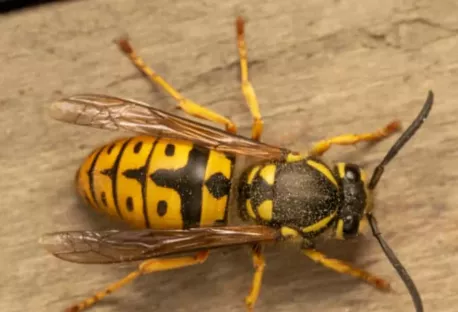
Vespula germanica (length: 12 – 17 mm long), known colloquially as the European wasp, German wasp, or German yellowjacket, is a species of wasp found in much of the Northern Hemisphere, native to Europe, Northern Africa, and temperate Asia. The German yellowjacket is an invasive species that will aggressively defend its nest and can sting repeatedly. It is a void nesting species found throughout most of the northeastern United States, into Canada and down the Pacific coast into California. Have you ever seen this invasive insect?
Yes
17%
•
217 votes
No
51%
•
641 votes
Undecided
17%
•
212 votes
Not Applicable
14%
•
180 votes
2.
2.
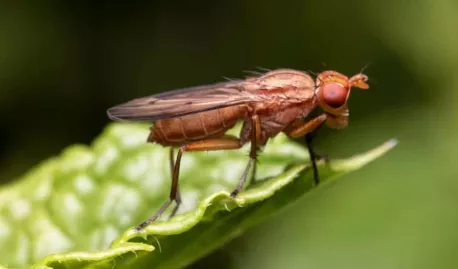
Drosophila suzukii (length: 2.25 - 4.0 mm long), commonly called the spotted wing drosophila or SWD, is a fruit fly. D. suzukii, originally from southeast Asia, is becoming a major pest species in America and Europe, because it infests fruit early during the ripening stage, in contrast with other Drosophila species that infest only rotting fruit. Have you ever seen this invasive insect?
Yes
10%
•
119 votes
No
59%
•
741 votes
Undecided
17%
•
209 votes
Not Applicable
14%
•
181 votes
Comments