Results: 21 Of The Most Destructive Invasive Insects In America - Part 5 of 10

An invasive insect is a non-native species that spreads and causes or is likely to cause harm to the environment, economy, or human health. They are a problem because they often arrive without their natural predators or diseases, allowing their populations to grow rapidly and outcompete native species, which disrupts local ecosystems. Examples include the emerald ash borer, soybean aphid, and spotted lanternfly. There is only one question for this series. "Have you ever seen this invasive insect?" A-Z Animals is my source for this series. To report an invasive insect contact your local County/Parish/Borough Extension Agent, state Department of Agriculture, or Fish & Wildlife, providing location, date, species (if known), and clear photos.
1.
1.
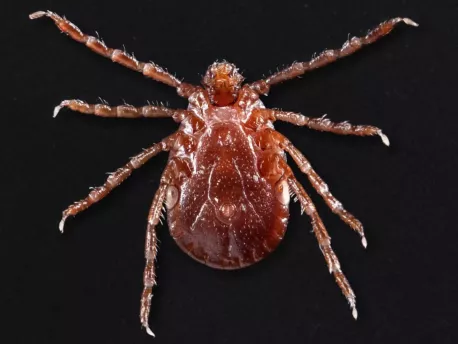
Asian longhorned ticks (Haemaphysalis longicornis) are small, reddish-brown, and roughly the size of a sesame seed (approx. 2.5–4 mm) before feeding. Once fully fed (engorged), they swell to roughly the size of a pea, or about 10 mm in length. Nymphs are even smaller, roughly the size of a poppy seed. Originally from Asia and now found in the Northeastern U.S., they spread diseases to humans and animals. Have you ever seen this invasive insect? (Ticks are arachnids, but I'm including them here as people generally think of them as insects.)
Yes
15%
•
168 votes
No
52%
•
584 votes
Undecided
14%
•
151 votes
Not Applicable
19%
•
214 votes
2.
2.
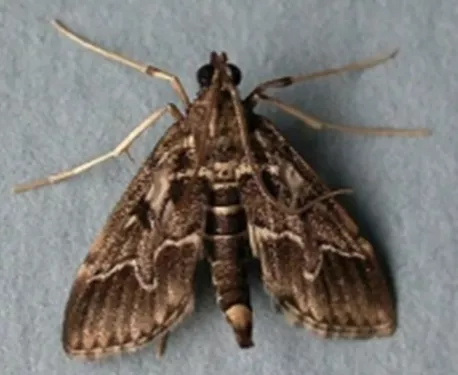
The European pepper moth (Duponchelia fovealis) is an invasive, small brownish moth (0.8-inch wingspan) with a distinctive upward-curved abdomen, native to the Mediterranean. It is a serious, hard-to-detect pest of peppers, strawberries, and ornamentals, with larvae feeding on roots, leaves, and flowers. It is now established in several U.S. states, particularly in greenhouses. Have you ever seen this invasive insect?
Yes
12%
•
129 votes
No
52%
•
578 votes
Undecided
20%
•
218 votes
Not Applicable
17%
•
192 votes
Comments