Results: Megafauna That Once Called North America Home - Part 4 of 7

Extinct megafauna are large animals that have died out, including famous examples like the woolly mammoth, saber-toothed cats, and giant ground sloths, which lived during the Pleistocene epoch. Their extinction, which is largely believed to be as a result of human impact and climate change between 50,000 and 10,000 years ago, caused a major shift in ecosystems worldwide, particularly in Australia and North and South America. This series will explore 15 of these extinct animals that once roamed North America. Live Science is my source for this series.
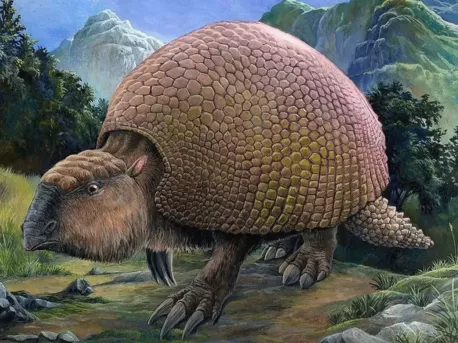
1.
1.
Glyptodon resembled a large armadillo and had a shell of bony plates for protection. It migrated to North America from South America about 2 million years ago and thrived in coastal Texas and Florida before becoming extinct 10,000 years ago. Have you ever seen a living armadillo?
Yes
30%
•
321 votes
No
48%
•
512 votes
Undecided
7%
•
79 votes
Not Applicable
15%
•
165 votes
2.
2.
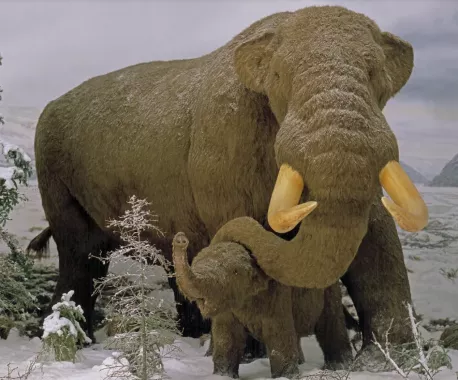
Mastodons entered North America around 15 million years ago via the Bering Strait land bridge, earlier than mammoths. They were more primitive, with simpler, cone-shaped teeth suited for eating leaves, twigs, and wetland plants. Mastodons were shorter than mammoths but both could reach heights of 7 to 14 feet. Both had shaggy coats for cold protection, but mastodons had longer, curved tusks measuring up to 16 feet, while mammoths had curlier tusks. Have you ever seen mastodon fossils in a museum?
Yes
27%
•
295 votes
No
45%
•
483 votes
Undecided
13%
•
139 votes
Not Applicable
15%
•
160 votes
3.
3.
Mammoths arrived in North America 1.7 to 1.2 million years ago. They are part of the proboscidean family, like mastodons, but have some differences. Mammoths had fatty humps for nutrients and warmth and flat molars for eating tough plants. They are more closely related to modern Asian elephants than mastodons. Have you ever seen an Asian elephant in person?

Yes
19%
•
204 votes
No
56%
•
607 votes
Undecided
10%
•
106 votes
Not Applicable
15%
•
160 votes
Comments