Results: Urban Legends: A Very Spooky Scare Edition

What? Did you think I would stop? Not at spooky season!
1.
1.
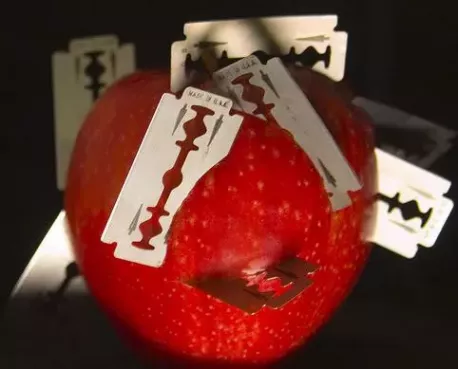
Oldie but Goldie. Razor blades in the apples. The myth turned into a nationwide panic on October 28, 1970, when The New York Times published an unverified, sensationalized piece. The article quoted a New York health official warning that a "plump red apple that Junior gets from a kindly old woman down the block… may have a razor blade hidden inside." Following this article, newspapers and police departments across the country began warning parents to check treats, effectively turning a hypothetical fear into perceived reality. For the first half of the 20th century, apples, popcorn balls, and homemade baked goods were standard, beloved Halloween treats. However, as the 1970s progressed, broader societal anxieties—centered around urban crime and "stranger danger"—made communities more cynical. The wholesome, unsealed nature of a fresh apple made it the perfect target for a projection of these fears. As a result, parents began demanding individually wrapped, corporate-manufactured candy, solidifying the death of homemade Halloween treats. Did you ever believe this myth or did you have a parent that did?
Yes I believed it
25%
•
122 votes
I didn't, but my parents did
15%
•
75 votes
No
27%
•
133 votes
Not Applicable
32%
•
154 votes
2.
2.
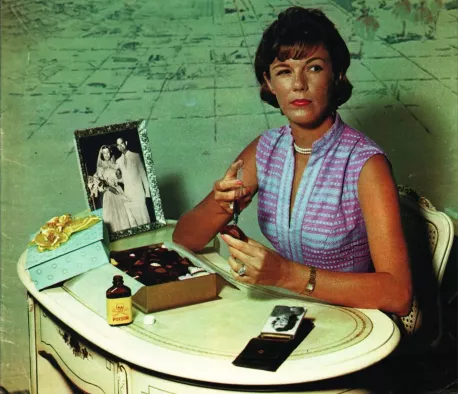
While the razor blades, poisoned candy sadly was indeed a real incident. Not so much anymore, but even more sad it was done to their own children. The most infamous Halloween poisoning took place on October 31, 1974. That's when a Texas man named Ronald O'Bryan gave cyanide-laced pixie sticks to five children, including his son. The other children never ate the candy, but his eight-year-old son, Timothy, did—and died soon after. Though nobody saw O'Bryan put the cyanide in the candy, investigators learned that O'Bryan had recently taken life insurance policies out on his children. He was convicted of murder and executed via lethal injection in 1984. Though it's been decades since the crime, the "Candyman" murder still looms large in the memories of many parents on Halloween. Though as time has passed, its become more of an urban legend as almost no incidents of tampering has been reported. Did or do you always check your children's candy? Or did your parents check yours?
Yes, I always did checked my child's candy
23%
•
111 votes
Yes, I do check my child's candy
9%
•
43 votes
Yes, my parents use to check mine
15%
•
73 votes
No one checked mine, you only live once!
16%
•
76 votes
Not Applicable
37%
•
181 votes
3.
3.
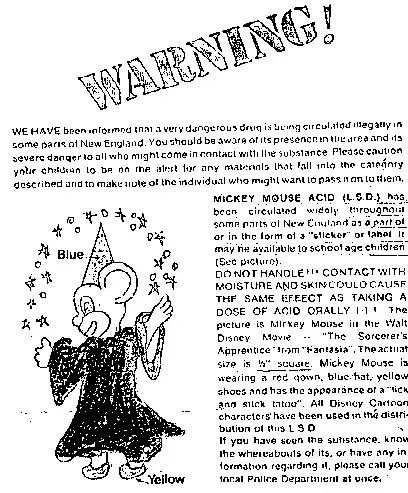
During the 70's, 80's, and 90's. There was a scare that involved blue star tattoos that supposedly was LSD. The blue star tattoo legend is an urban legend which states that a temporary lick-and-stick tattoo soaked in LSD and made in the form of a blue star, or of popular children's cartoon characters, is being distributed to unknowing children in any given area. The legend possibly originated from the fact that an LSD solution is sometimes sold on blotter paper with various designs, including cartoons. No actual cases of LSD distribution to children in this manner have been documented. Although LSD does not penetrate through skin in sufficient quantities so as to induce a psychedelic experience, the concern was over children licking the tattoo paper before transferring to the skin. Do you remember this scare?
No, I wasn't born yet
4%
•
17 votes
No, I don't remember this
42%
•
204 votes
Yes, I remember this myth
23%
•
110 votes
Not Applicable
32%
•
153 votes

Comments