Results: Dangerous Situations 30

I'm back again with more dangerous things you can either avoid or learn what's best to do during them.

1.
1.
Stalled on Railroad Tracks: Unbuckle and evacuate all passengers immediately. Walk away from the tracks at a 45-degree angle toward the direction the train is coming from (so flying debris from an impact moves away from you). Are there train tracks in your area?
Yes
57%
•
910 votes
No
27%
•
426 votes
Not Applicable
17%
•
264 votes
2.
2.
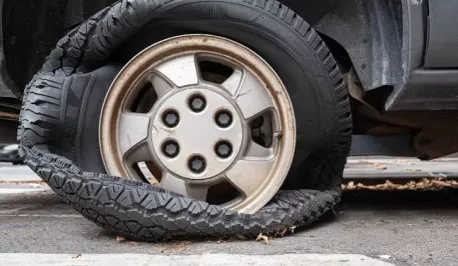
High-Speed Blowouts: Hold the steering wheel firmly with both hands at 9 and 3 o'clock. Maintain steady pressure on the gas pedal for a brief second to stabilize the car, then ease off the gas slowly. Allow the vehicle to slow down gradually while steering gently toward the shoulder. Have you ever had a blowout?
Yes
29%
•
466 votes
No
52%
•
824 votes
Not Applicable
19%
•
310 votes
3.
3.
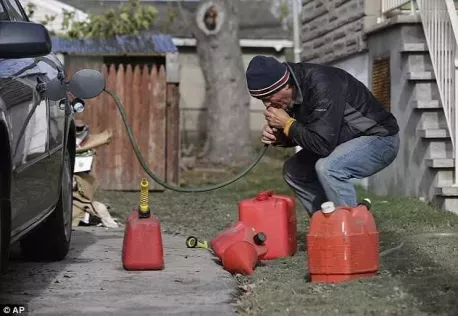
Siphon tube back-pressure burst during DIY fluid transfer- What It Can Cause: Chemical splash burns to eyes and skin, toxic ingestion, and localized flammable vapor ignition.- Solution: Use mechanical siphon pumps rather than oral siphoning, wear safety goggles, and handle volatile fuels only outdoors. Have you ever siphoned gas?
Yes
18%
•
290 votes
No
63%
•
1010 votes
Not Applicable
19%
•
300 votes
4.
4.
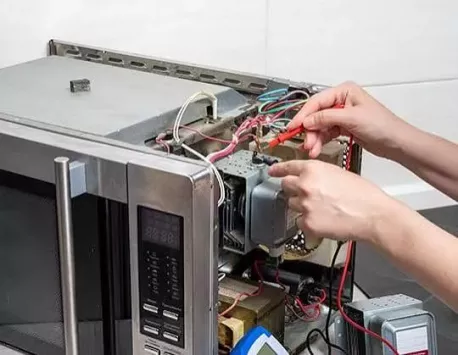
High-voltage capacitor discharge while repairing an unplugged appliance (e.g., microwave or CRT monitor)- What It Can Cause: Violent electrical shock, muscle spasms causing secondary fall trauma, and cardiac arrhythmia.- Solution: Discharge high-voltage capacitors using an insulated resistor tool before touching internal electronics, even if the device has been unplugged for days. Do you ever try to repair your own appliances?
Yes
18%
•
283 votes
No
65%
•
1032 votes
Not Applicable
18%
•
285 votes
5.
5.
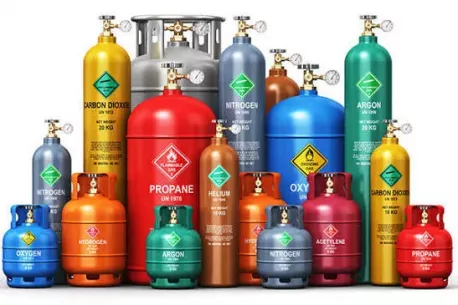
Over-tightening a pressurized gas cylinder valve causing thread shear- What It Can Cause: Uncontrolled high-velocity cylinder flight (turning the tank into a missile), oxygen displacement, or sudden fuel ignition.- Solution: Never force cylinder valves with wrenches; handle gas tanks with protective valve caps screwed on when moving them. Do you use any gas cylinders?
Yes
20%
•
320 votes
No
61%
•
981 votes
Not Applicable
19%
•
299 votes
6.
6.
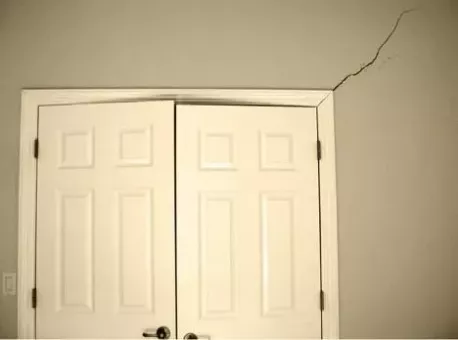
Gas line rupture caused by a home foundation settling or shift- What It Can Cause: Slow indoor natural gas accumulation, catastrophic structure detonation, and asphyxiation.- Solution: Install flexible gas connectors on all stationary appliances and place natural gas detectors near gas-fed equipment. Does your home use natural gas? Mine does.
Yes
41%
•
661 votes
No
40%
•
637 votes
Not Applicable
19%
•
302 votes

Comments